Introduction
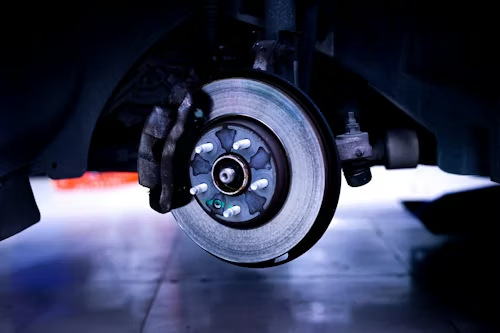
Brake pads are a critical safety component that wear over time and require regular replacement. Replacing your brake pads is a maintenance task that many DIYers can perform themselves, saving money while ensuring their vehicle's braking system remains in top condition. Understanding how to replace brake pads properly is essential knowledge for every car owner who wants to maintain their vehicle safely.
While brake pad replacement is within the capabilities of many DIYers, it requires attention to detail and adherence to safety procedures. Brakes are your vehicle's most important safety system, and any mistakes during replacement could have serious consequences. This comprehensive guide provides everything you need to know to replace brake pads safely and effectively.
Whether you're a first-time DIYer or looking to refine your technique, this guide covers the tools needed, step-by-step instructions, and essential safety tips. By following these procedures, you'll maintain your vehicle's braking performance and ensure safe operation on the road.
Tools / Materials Needed: Brake Pad Replacement Essentials
Basic Tools
You'll need a few essential tools for brake pad replacement. A lug wrench or socket is necessary to remove the wheel. A C-clamp or large channel lock pliers compress the caliper piston. A brake cleaner and wire brush help clean components before reassembly. Quality tools make the job easier and prevent damage.
Lifting Equipment
A hydraulic jack and jack stands are essential for lifting your vehicle safely. Never work under a vehicle supported only by a jack. Wheel chocks prevent the vehicle from rolling. Ensure your jack has sufficient capacity for your vehicle's weight. Safety should always be your top priority when working with brakes.
New Brake Pads
Purchase quality brake pads designed for your specific vehicle. OEM pads are recommended but quality aftermarket pads work well. Ensure the pads match your vehicle's make, model, and year. Consider upgrading to ceramic or semi-metallic pads for better performance and less dust. Quality pads ensure optimal braking performance.
Additional Supplies
Brake grease is needed for certain caliper slides and pins. Anti-seize compound prevents bolts from seizing and makes future removal easier. Brake cleaner removes old brake dust and grime. Rags or paper towels are essential for cleaning spills. Having these supplies ready makes the job smoother.
Safety Equipment
Safety glasses protect your eyes from brake dust and debris. Gloves protect your hands from sharp edges and chemicals. A dust mask or respirator is recommended when cleaning brake dust. A fire extinguisher should be readily available. Never compromise on safety equipment when working with brakes.
Step-by-Step Instructions: Brake Pad Replacement
Step 1: Prepare the Vehicle
Park on a flat, level surface away from traffic. Engage the parking brake firmly. If you have a manual transmission, leave it in gear or place wheel chocks. Loosen the lug nuts slightly while the vehicle is still on the ground—this prevents the wheel from spinning when you lift it. Proper preparation ensures safety.
Step 2: Lift the Vehicle
Position the jack under the designated lift point for the wheel you're working on. Consult your owner's manual for proper jack placement. Lift the vehicle until the tire is just off the ground. Immediately place jack stands under the vehicle at proper support points. Never work under a vehicle supported only by a jack.
Step 3: Remove the Wheel
Completely remove the lug nuts and set them aside in order. Remove the wheel from the hub. If the wheel is stuck due to corrosion, tap it gently with a rubber mallet. Don't force it—corrosion can be treated with penetrating oil. Careful removal prevents damage to the wheel or hub.
Step 4: Inspect Brake Components
While the wheel is off, inspect the brake caliper, rotor, and brake lines. Look for signs of leaks, damage, or uneven wear. Check the brake fluid level and condition. Inspect the brake hose for cracks or bulges. This inspection is an excellent opportunity to catch problems early.
Step 5: Remove the Caliper
Locate the caliper mounting bolts—typically two bolts on floating calipers. Remove the bolts and set them aside. Support the caliper with a wire or bungee cord to prevent strain on the brake line. Don't let the caliper hang by the brake line. Careful caliper removal prevents damage to brake components.
Step 6: Remove Old Brake Pads
Slide out the old brake pads from the caliper. Note their orientation and which pad came from which position. Inspect the pads for uneven wear patterns. Check the pad wear indicators—many pads have wear sensors that make noise when replacement is needed. Documenting pad condition helps diagnose other brake issues.
Step 7: Inspect and Clean Components
Inspect the caliper piston and slide pins for wear or damage. Clean all components with brake cleaner to remove old brake dust and grime. Inspect the rotor for scoring, grooves, or excessive wear. Clean the caliper slides and apply brake grease if specified. Thorough cleaning ensures proper operation.
Step 8: Install New Brake Pads
Slide the new brake pads into the caliper in the correct orientation. Ensure they seat properly in the caliper. If your pads have wear indicators, make sure they're positioned correctly. Some pads have different inner and outer pads—ensure they go in the correct positions. Proper installation is crucial for braking performance.
Step 9: Reinstall the Caliper
Reinstall the caliper and tighten mounting bolts to the manufacturer's torque specification. Don't overtighten, as this can damage the caliper bolts. Ensure the brake line isn't twisted or pinched. Proper torque ensures secure mounting and prevents damage.
Step 10: Reinstall the Wheel
Lift the wheel onto the hub and align the lug nut holes. Start lug nuts by hand to prevent cross-threading. Tighten lug nuts in a star pattern to ensure even pressure. Use a torque wrench to tighten to the manufacturer's specification. Proper tightening ensures the wheel is secure.
Step 11: Lower the Vehicle
Remove the jack stands carefully. Lower the jack slowly while ensuring the vehicle remains stable. Once the vehicle is on the ground, remove the jack. Tighten lug nuts again after the vehicle is on the ground to ensure they're properly seated. Proper lowering ensures safety and final tightening.
Step 12: Bed In New Brake Pads
After installation, pump the brake pedal several times to seat the pads against the rotors. This helps the pads conform to the rotor surface. Drive cautiously at first, avoiding hard braking if possible. Bedding in ensures optimal braking performance and pad life.
Step 13: Test Brakes
Test your brakes at low speed in a safe area before driving normally. Apply the brakes firmly to ensure they're working properly. Listen for any unusual noises. Check brake pedal feel—it should be firm and consistent. Testing ensures your brakes are safe before regular driving.
Safety Tips: Essential Brake Work Safety
Never Work Under an Unsupported Vehicle
This is the most important safety rule—never work under a vehicle supported only by a jack. Jacks can fail, and the consequences are catastrophic. Always use jack stands rated for your vehicle's weight. Ensure the vehicle is stable on stands before working underneath. Safety is paramount when working with brakes.
Use Proper Jack Stands
Jack stands must be placed on solid, level ground. Position them at the vehicle's designated support points. Ensure the stands are locked in place before working. Never use makeshift supports like concrete blocks or wood. Proper jack stand use is essential for safety.
Secure the Vehicle
Use wheel chocks to prevent the vehicle from rolling. Engage the parking brake firmly. If you have a manual transmission, leave it in gear. These simple steps prevent the vehicle from moving while you're working on it.
Work on One Wheel at a Time
Replace brake pads one wheel at a time if you're not experienced. This allows you to focus on proper technique for each wheel. Complete one wheel fully before moving to the next. Working on one wheel at a time reduces confusion and ensures each job is done correctly.
Clean Components Thoroughly
Brake dust is hazardous if inhaled—clean components thoroughly to remove all dust. Use brake cleaner and a wire brush. Wear a dust mask or respirator when cleaning. Proper cleaning protects your health and ensures good component operation.
Check for Leaks
After brake work, check for any fluid leaks around the caliper and brake lines. Look for wet spots on the ground or components. Address any leaks immediately before driving. Brake fluid leaks can lead to brake failure—a serious safety issue.
Test Before Normal Driving
Always test your brakes at low speed in a safe area before regular driving. This ensures everything is working properly before you need them in traffic. If anything feels wrong, investigate before driving normally. Testing prevents accidents due to improper installation.
Know Your Limits
Brake work is within many DIYers' capabilities, but know your limits. If you're not comfortable with any aspect of the job, seek professional help. Complex brake issues like warped rotors or caliper problems may require professional service. There's no shame in having professionals handle complex repairs.
When to Seek Professional Help
Warped or Scored Rotors
If you discover warped or severely scored rotors during pad replacement, professional resurfacing or replacement is needed. DIY rotor repair is possible but requires specialized equipment. Professional service ensures the rotors are true and smooth. Don't drive on warped rotors—they can cause vibration and reduced braking.
Caliper Problems
Sticking caliper pistons, seized slide pins, or damaged caliper mounts require professional attention. These issues can cause uneven braking and pulling to one side. Professional diagnosis and repair ensure proper caliper operation. Don't ignore caliper problems—they affect braking performance significantly.
ABS or Electronic Brake Issues
If your vehicle has ABS or electronic brake systems, issues with these components require specialized diagnostic equipment. Warning lights on your dashboard indicate problems that need professional attention. Don't ignore brake warning lights—they indicate serious safety issues. Professional diagnosis ensures these complex systems work properly.
Uneven Braking
If your vehicle pulls to one side when braking, this indicates a problem requiring professional diagnosis. This could be due to caliper issues, uneven rotor wear, or brake line problems. Professional inspection identifies the root cause. Uneven braking is dangerous and must be addressed promptly.
Real-World Examples
For example, a typical 2.0L four-cylinder engine produces around 150-200 horsepower.
Consider the Toyota Prius, which uses a hybrid system to achieve over 50 MPG.
The Ford F-150's 3.5L EcoBoost V6 engine produces 400 horsepower while maintaining good fuel efficiency.
Data and Statistics
According to SAE International, approximately 90% of modern engines are related to advanced materials and manufacturing techniques.
Source: SAE International
According to EPA, approximately 25% of fuel efficiency improvements are related to hybrid technology.
Source: EPA
Practical Checklist
- Check the engine oil level and condition
- Inspect the air filter for dirt and debris
- Verify coolant level and quality
- Check all belts and hoses for wear
- Inspect spark plugs for wear or damage
Frequently Asked Questions
Q: What is the most common cause of engine failure?
A: The most common cause of engine failure is lack of proper maintenance, particularly not changing the oil regularly. Dirty oil can cause excessive wear on engine components, leading to premature failure.
Q: How often should I change my engine oil?
A: Most manufacturers recommend changing your oil every 5,000 to 7,500 miles for conventional oil, or every 10,000 to 15,000 miles for synthetic oil. Always check your owner's manual for specific recommendations.
Visual Learning Resources
While this article provides comprehensive text explanations, visual aids can enhance understanding. Consider the following resources for additional learning:
- Diagrams: Look for technical diagrams showing component relationships and system interactions
- Infographics: Visual representations of data and statistics help grasp complex information quickly
- Video Tutorials: Step-by-step video demonstrations provide practical guidance
- Interactive Simulations: Online tools allow you to experiment with concepts safely
These resources complement the written content and cater to different learning styles. Visual learners particularly benefit from diagrams and infographics, while hands-on learners may prefer video tutorials and simulations.
Expert Tips and Best Practices
💡 Pro Tip #1: Prevention is Better Than Cure
Regular maintenance and proactive checks prevent most major issues. Establish a routine inspection schedule and stick to it. Small problems caught early are much easier and less expensive to fix than major failures.
💡 Pro Tip #2: Quality Matters
When replacing parts or fluids, always use quality products that meet or exceed manufacturer specifications. Inferior products may save money initially but often lead to premature failure and additional costs down the road.
💡 Pro Tip #3: Documentation is Your Friend
Keep detailed records of all maintenance, repairs, and modifications. This documentation helps track service intervals, identify recurring issues, and increases resale value. Digital photos of work performed can be particularly valuable.
Conclusion
Replacing brake pads is a valuable DIY skill that saves money and ensures your vehicle's safety. By following the guidelines in this comprehensive guide, you'll replace brake pads safely and effectively, maintaining optimal braking performance. The satisfaction of performing your own brake work is significant, and the skills you develop will serve you throughout your life as a car owner.
Remember that brakes are your vehicle's most important safety system—never compromise on quality or safety procedures. Take your time, follow each step carefully, and test thoroughly before normal driving. Proper brake pad replacement ensures you can stop safely when you need to.
Whether you're a first-time DIYer or experienced with brake work, proper technique is essential knowledge for every car owner. Take pride in maintaining your brakes correctly—it's an investment that pays dividends in safety, performance, and peace of mind.