Introduction
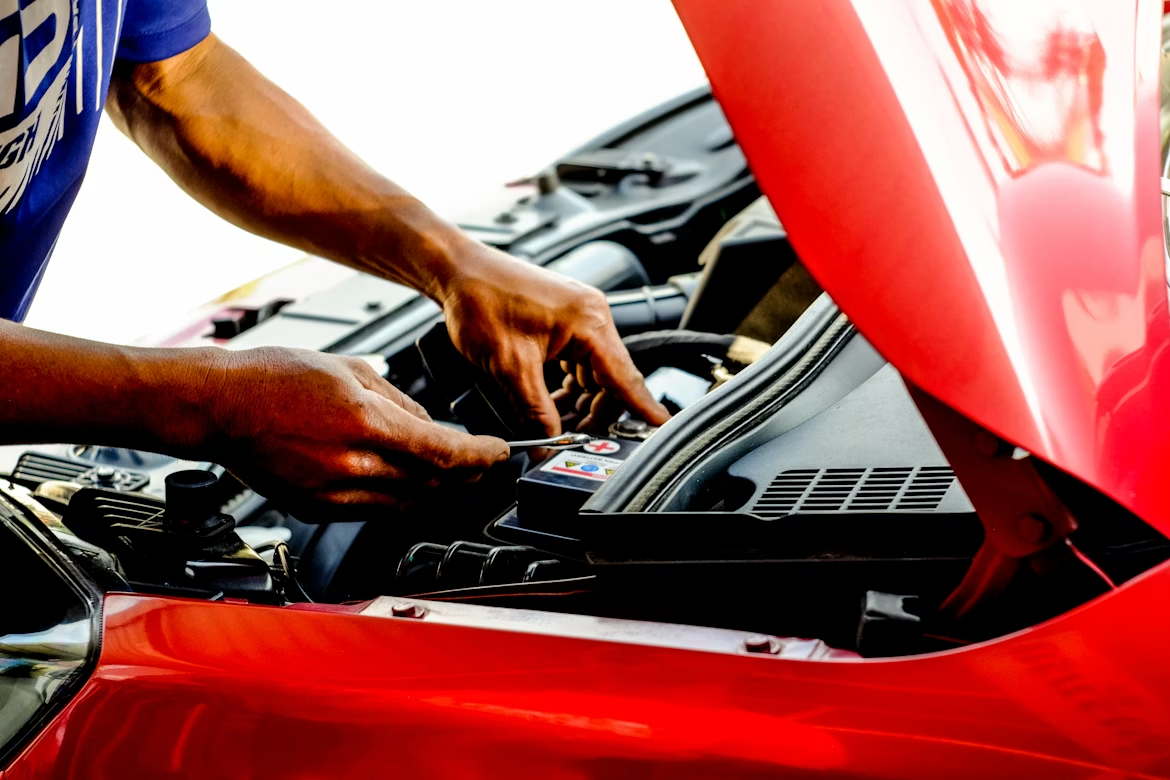
Regular car maintenance is the key to keeping your vehicle running smoothly, safely, and reliably. A well- maintained vehicle not only performs better but also lasts longer, retains more value, and saves you money on costly repairs. While many maintenance tasks require professional service, there are numerous maintenance activities you can perform yourself to keep your vehicle in excellent condition.
Understanding what maintenance your vehicle needs and when to perform it is essential for every car owner. Different vehicles have different maintenance requirements, but there are universal principles that apply to all vehicles. This comprehensive guide covers all aspects of car maintenance, from routine checks to more complex procedures, helping you become a more knowledgeable and capable car owner.
Whether you're a new car owner looking to understand basic maintenance or an experienced DIYer seeking to expand your skills, this guide provides the knowledge you need. We'll cover the tools you need, step-by- step instructions for common maintenance tasks, and essential tips for keeping your vehicle in top condition. By following this guide, you'll save money, extend your vehicle's life, and enjoy the satisfaction of maintaining your own car.
Tools / Materials Needed: Essential Maintenance Equipment
Basic Hand Tools
Every DIY mechanic needs a set of basic hand tools. Start with a good quality socket set including both metric and standard sizes. You'll need wrenches, screwdrivers (both flathead and Phillips), pliers, and adjustable wrenches. A torque wrench is essential for properly tightening bolts to specification. Quality tools make the job easier and prevent damage to your vehicle.
Jack and Jack Stands
A hydraulic jack and jack stands are essential for lifting your vehicle safely. Never work under a vehicle supported only by a jack—always use jack stands. Wheel chocks are necessary to prevent the vehicle from rolling. A good quality jack and stands are investments in your safety. Never compromise on lifting equipment.
Diagnostic Tools
An OBD2 scanner is invaluable for modern vehicles, allowing you to read diagnostic trouble codes and understand what your vehicle's computer is reporting. A multimeter helps test electrical components and circuits. A tire pressure gauge is essential for maintaining proper tire inflation. These tools help you identify problems early and perform maintenance more accurately.
Lubricants and Fluids
Keep a supply of essential fluids for your vehicle. This includes engine oil, transmission fluid, brake fluid, coolant, and power steering fluid. Always use the type specified by your vehicle's manufacturer. Grease for lubricating components and penetrating oil for loosening stuck parts are also useful. Having the right fluids on hand makes maintenance convenient.
Filters and Replacement Parts
Stock common replacement parts to avoid trips to the parts store. This includes oil filters, air filters, fuel filters, and cabin air filters. Spark plugs, wiper blades, and light bulbs are also good to have on hand. Keeping these items stocked allows you to perform maintenance when it's convenient rather than waiting.
Safety Equipment
Safety should always be your top priority. Safety glasses protect your eyes from debris. Gloves protect your hands from chemicals and sharp edges. A fire extinguisher rated for automotive use should be readily available. First aid supplies are essential for any workshop. Never compromise on safety equipment.
Cleaning Supplies
Proper cleaning is part of maintenance. Have a supply of automotive soap, wheel cleaner, and glass cleaner. Microfiber towels prevent scratching. Degreasers help clean engine components. Interior cleaners protect your vehicle's surfaces. Good cleaning supplies help maintain your vehicle's appearance and prevent corrosion.
Step-by-Step Instructions: Common Maintenance Tasks
Oil and Filter Change
Changing your oil and filter is one of the most important maintenance tasks. Start by warming up the engine slightly to help the oil drain more easily. Position your drain pan under the oil drain plug and remove the plug. Allow the oil to drain completely. Remove the old oil filter using an oil filter wrench. Apply a thin film of new oil to the new filter's gasket and install it hand-tight plus three-quarters turn. Reinstall the drain plug with a new washer and torque to specification. Fill with the correct amount and type of oil. Check for leaks after starting the engine.
Air Filter Replacement
A clean air filter is essential for engine performance and fuel economy. Locate the air filter housing, typically in a black plastic box near the top of the engine. Release the clamps or screws holding the housing. Remove the old filter and clean any debris from the housing. Install the new filter, ensuring it's seated properly. Reassemble the housing and secure all clamps or screws. A new air filter can improve fuel economy by up to 10%.
Tire Maintenance
Proper tire maintenance is crucial for safety and fuel economy. Check tire pressure monthly using a quality gauge. Inflate to the pressure listed on the driver's door jamb, not the tire sidewall. Inspect tires for uneven wear, which can indicate alignment or suspension problems. Rotate tires every 5,000-8,000 miles to ensure even wear. Check tread depth using the penny test—if you can see Lincoln's head, it's time for new tires. Proper tire maintenance improves safety, fuel economy, and tire life.
Brake Inspection
Regular brake inspection is essential for safety. Remove wheels to inspect brake pads and rotors. Measure pad thickness—if they're less than 1/4 inch, replace them. Inspect rotors for scoring, warping, or excessive wear. Check brake lines for leaks or damage. Test brake fluid level and condition. If you're not comfortable performing brake inspection, have a professional do it. Brakes are too important to compromise.
Battery Maintenance
A well-maintained battery ensures reliable starting. Clean battery terminals with a wire brush and baking soda solution to remove corrosion. Inspect the battery case for cracks or bulging. Check battery fluid level if applicable (some batteries are sealed). Test battery voltage with a multimeter—12.6 volts or higher indicates a fully charged battery. Replace batteries every 3-5 years. Good battery maintenance prevents unexpected failures.
Wiper Blade Replacement
Clear visibility is essential for safety. Inspect wiper blades regularly for cracks, tears, or stiffness. Lift the wiper arm away from the windshield. Press the release tab and slide the old blade off. Slide the new blade onto the arm until it clicks into place. Lower the arm gently onto the windshield. Test the wipers to ensure proper operation. Replace wiper blades every 6-12 months or at the first sign of streaking.
Fluid Level Checks
Regular fluid level checks prevent many problems. Check engine oil level with the vehicle on level ground and the engine off. Wait a few minutes after shutting off for accurate reading. Check coolant level when the engine is cold. Inspect brake fluid level and condition—it should be clear or light amber. Check power steering fluid level. Top up any low fluids with the correct type. Regular fluid checks catch problems early.
Light Bulb Replacement
Working lights are essential for safety and legal compliance. Identify which bulb needs replacement by consulting your owner's manual. Access the bulb from behind the lens or by removing the lens assembly. Disconnect the electrical connector. Remove the old bulb, being careful not to break it. Install the new bulb, avoiding touching the glass with your fingers—oils from your skin can cause premature failure. Reconnect the connector and test the light. Replace bulbs in pairs for consistent lighting.
Spark Plug Replacement
Fresh spark plugs improve engine performance and fuel economy. Allow the engine to cool completely before starting. Remove spark plug wires one at a time to avoid mixing them up. Use a spark plug socket to remove the old plug. Check the gap on new plugs and adjust if necessary using a feeler gauge. Apply anti-seize to the threads of new plugs. Install by hand to avoid cross-threading, then torque to specification. Reconnect wires securely. Replace spark plugs according to your manufacturer's recommendation.
Maintenance Tips: Essential Advice for Vehicle Care
Follow the Manufacturer's Schedule
Your vehicle's manufacturer provides a maintenance schedule based on extensive testing. Follow this schedule religiously. It specifies when to perform various maintenance tasks based on time or mileage. Adhering to this schedule prevents many problems and maintains your warranty. Keep records of all maintenance performed.
Use Quality Parts and Fluids
Using quality replacement parts and fluids pays off in the long run. OEM or equivalent quality parts ensure proper fit and function. Use the exact fluid types specified by the manufacturer. Cheap fluids may not provide adequate protection. Quality materials may cost more initially but save money through better performance and longevity.
Keep Records
Maintain detailed records of all maintenance performed. This includes dates, mileage, parts used, and fluids changed. Records help you track maintenance intervals and provide valuable documentation if you sell the vehicle. Many buyers pay more for well-documented maintenance history. Good records are an investment in your vehicle's value.
Listen to Your Vehicle
Your vehicle often communicates problems through sounds, vibrations, or changes in performance. Pay attention to unusual noises, new vibrations, or changes in how the vehicle drives or handles. Address these issues promptly—small problems become big problems if ignored. Your vehicle's communication system is your early warning system.
Address Problems Promptly
Never ignore warning lights or unusual symptoms. The check engine light, oil pressure light, or temperature warning all indicate problems that need attention. Address issues promptly to prevent further damage. What might be a small repair now can become a major expense if ignored. Prompt attention saves money and prevents breakdowns.
Protect Your Investment
Your vehicle is likely one of your largest investments. Protect it with regular washing and waxing to prevent paint damage. Use sunshades to protect the interior. Park in covered areas when possible. Consider rust protection if you live in a corrosive environment. Protection prevents deterioration and maintains value.
Learn Your Limits
Know which maintenance tasks you're comfortable performing and which require professional service. Some tasks like timing belt replacement or transmission service are best left to professionals. There's no shame in having a professional perform complex tasks. Knowing your limits prevents damage to your vehicle and ensures safety.
Stay Informed
Automotive technology and maintenance practices evolve. Stay informed about your specific vehicle through owner's forums, manufacturer bulletins, and recall notices. Join online communities of fellow owners. Continuous learning helps you maintain your vehicle better and avoid common problems. Knowledge is power in vehicle maintenance.
Real-World Examples
For example, changing your oil every 5,000 miles can extend engine life by up to 50%.
A set of quality brake pads typically costs $50-100 and can last 30,000-50,000 miles with proper driving habits.
Regular tire rotation every 5,000-7,500 miles can extend tire life by up to 20%.
Data and Statistics
According to Car Care Council, approximately 80% of vehicle problems are related to neglected maintenance.
Source: Car Care Council
According to AAA, approximately 35% of roadside assistance calls are related to battery failure.
Source: AAA
Practical Checklist
- Check and change engine oil regularly
- Inspect and replace air filters
- Check tire pressure and tread depth
- Inspect brake pads and rotors
- Check battery terminals for corrosion
- Inspect belts and hoses for wear
- Check coolant and other fluid levels
- Replace windshield wipers as needed
Frequently Asked Questions
Q: How often should I rotate my tires?
A: Most tire manufacturers recommend rotating your tires every 5,000 to 7,500 miles, or roughly every other oil change. This helps ensure even wear and extends tire life.
Q: What are the signs that my brake pads need replacement?
A: Common signs include squealing or grinding noises when braking, longer stopping distances, a vibrating brake pedal, or the brake warning light illuminating. Most brake pads should be replaced when they're worn down to 1/8 inch thick.
Visual Learning Resources
While this article provides comprehensive text explanations, visual aids can enhance understanding. Consider the following resources for additional learning:
- Diagrams: Look for technical diagrams showing component relationships and system interactions
- Infographics: Visual representations of data and statistics help grasp complex information quickly
- Video Tutorials: Step-by-step video demonstrations provide practical guidance
- Interactive Simulations: Online tools allow you to experiment with concepts safely
These resources complement the written content and cater to different learning styles. Visual learners particularly benefit from diagrams and infographics, while hands-on learners may prefer video tutorials and simulations.
Expert Tips and Best Practices
💡 Pro Tip #1: Prevention is Better Than Cure
Regular maintenance and proactive checks prevent most major issues. Establish a routine inspection schedule and stick to it. Small problems caught early are much easier and less expensive to fix than major failures.
💡 Pro Tip #2: Quality Matters
When replacing parts or fluids, always use quality products that meet or exceed manufacturer specifications. Inferior products may save money initially but often lead to premature failure and additional costs down the road.
💡 Pro Tip #3: Documentation is Your Friend
Keep detailed records of all maintenance, repairs, and modifications. This documentation helps track service intervals, identify recurring issues, and increases resale value. Digital photos of work performed can be particularly valuable.
Conclusion
Regular car maintenance is one of the most important aspects of vehicle ownership. By following the guidelines in this comprehensive guide, you'll keep your vehicle running smoothly, safely, and reliably while saving money on costly repairs. The satisfaction of maintaining your own vehicle is significant, and the skills you develop will serve you throughout your life as a car owner.
Remember that maintenance is an ongoing process, not a one-time event. Establish a regular schedule for checking and maintaining your vehicle. Keep good records, use quality parts, and address problems promptly. These practices will extend your vehicle's life, improve its performance, and maintain its value.
Whether you're performing basic maintenance yourself or having professionals service your vehicle, understanding what needs to be done and when makes you a more informed car owner. Take pride in maintaining your vehicle properly—it's an investment that pays dividends in reliability, safety, and satisfaction.