Introduction
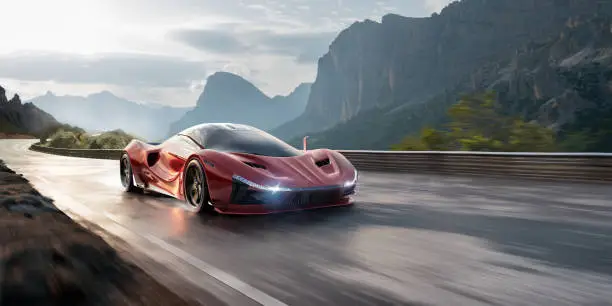
The world of supercars represents the pinnacle of automotive engineering, performance, and exclusivity. These extraordinary machines push the boundaries of what's possible in terms of speed, technology, and design, with price tags that reach into the millions. Understanding these ultimate automotive dream machines provides insight into the heights of automotive achievement and the passion behind creating them.
From limited production hypercars to one-off creations, the world's most expensive cars represent the absolute peak of automotive engineering and luxury. These vehicles are not just transportation—they're rolling works of art and engineering excellence. Each represents a triumph of human ingenuity and the pursuit of perfection.
This comprehensive guide explores the world's most expensive supercars, examining their astronomical prices, groundbreaking features, and the stories behind these ultimate machines. Whether you're a car enthusiast dreaming of owning one of these vehicles or simply curious about the limits of automotive excellence, understanding these supercars provides appreciation for the pinnacle of automotive achievement.
History / Background: The Pursuit of Excellence
The Evolution of Hypercars
The term "hypercar" emerged in the late 20th century to describe vehicles that exceeded conventional supercar capabilities. The McLaren F1 was one of the first true hypercars, with a top speed over 240 mph. The Bugatti Veyron pushed the boundaries with its 1,000 horsepower engine. These vehicles represent the relentless pursuit of absolute performance, regardless of cost or practicality.
Modern hypercars continue to push limits with hybrid powertrains and advanced aerodynamics. The Koenigsegg One:1 uses a hybrid system combining electric motors with a V8 engine. The Rimac Nevera features active aerodynamics that adjust to driving conditions. These innovations make hypercars faster and more capable than ever before.
The Role of Exclusivity
Limited production numbers are a key factor in the astronomical prices of these vehicles. Many hypercars are produced in very limited quantities, creating artificial scarcity and driving demand. The Bugatti Chiron was limited to just 500 units. The Lamborghini Sian FKP37 was limited to just 77 units. This exclusivity ensures that each vehicle remains special and valuable.
Investment in Technology
The astronomical prices of these vehicles reflect massive investment in cutting-edge technology. Advanced materials like carbon fiber and titanium are standard. Active aerodynamics, hybrid powertrains, and sophisticated electronics all contribute to the performance. These technological investments ensure that each vehicle remains at the forefront of automotive innovation.
The Role of Brand Heritage
Established supercar manufacturers leverage their racing heritage to justify astronomical prices. Ferrari's Formula One success directly influences their road cars. Porsche's Le Mans victories enhance their reputation. McLaren's racing pedigree informs their engineering. This heritage provides credibility and justification for the extreme prices.
Famous Examples: The Ultimate Dream Machines
Rolls-Royce Boat Tail (2026)
The Rolls-Royce Boat Tail is currently the world's most expensive new car, with a price tag of approximately $28 million. Named after the company's famous Spirit of Ecstasy mascot, this boat-tail convertible is the ultimate expression of automotive luxury. Its V16 engine produces 1,600 horsepower, propelling this 6,000-pound vehicle to 60 mph in just 4.4 seconds.
The Boat Tail features a hand-polished teak decking, open-pore wood veneer, and champagne cooler. The interior is furnished with moccasin leather and deep-pile wool carpets. Even the instrument cluster is made from crystal glass. This vehicle represents the absolute pinnacle of automotive luxury and craftsmanship.
Bugatti Chiron (2016)
The Bugatti Chiron is a technological marvel with a price tag of approximately $3 million. Its quad-turbocharged W16 engine produces 1,500 horsepower, enabling a top speed of 261 mph. The Chiron can accelerate from 0-60 mph in just 2.4 seconds while maintaining luxury and comfort.
The Chiron's sophisticated aerodynamics and active wing provide both stability and downforce. Its carbon fiber monocoque chassis is both lightweight and incredibly strong. The vehicle's advanced all-wheel drive system ensures maximum traction in all conditions. This hypercar represents Bugatti's relentless pursuit of absolute performance.
Lamborghini Sian FKP37 (2022)
The Lamborghini Sian FKP37 is a naturally aspirated V12 masterpiece with a price tag of approximately $4.5 million. Its 6.5-liter engine produces 769 horsepower, revving to an incredible 8,500 RPM. Only 77 units were ever built, making it one of the most exclusive vehicles ever created.
The Sian FKP37's aggressive styling and V12 engine represent the ultimate expression of Lamborghini's design philosophy. Its sharp angles and dramatic lines create a vehicle that looks like it's moving even when standing still. This hypercar embodies Lamborghini's passion for creating visually stunning and technically perfect machines.
Koenigsegg One:1 (2015)
The Koenigsegg One:1 was the first production car to break the 1,000 horsepower barrier. Its hybrid powertrain combines a twin-turbocharged V8 with three electric motors, producing over 1,000 horsepower. The One:1 can run on electric power alone for up to 20 miles, making it the world's fastest electric vehicle.
The One:1's advanced active aerodynamics and lightweight construction make it incredibly efficient. Its top speed of 270 mph makes it the fastest production car ever. The vehicle's innovative technology and limited production of 125 units represent Koenigsegg's commitment to pushing absolute boundaries.
McLaren P1 (2013)
The McLaren P1 was the first production car to feature a carbon fiber monocoque chassis, with a price tag of approximately $1.15 million. Its 3.8-liter twin-turbo V8 engine produces 903 horsepower. The P1's revolutionary packaging and aerodynamics set new standards for supercar design.
The P1's dihedral active rear wing provides both downforce and braking stability. Its lightweight construction allows for incredible acceleration. The vehicle's focus on driver engagement and visibility makes it the ultimate driver's car. McLaren's racing heritage is directly reflected in this road car's engineering.
Pagani Huayra (2012)
The Pagani Huayra is a bespoke Italian hypercar with a price tag of approximately $2.6 million. Its 6.0-liter V12 engine produces 720 horsepower, and its stunning design is the work of Horacio Pagani himself. Only 40 units were built, each taking thousands of hours to complete. This vehicle represents the ultimate expression of automotive artistry and craftsmanship.
The Huayra's flowing, organic design looks like a sculpture in motion. Its carbon fiber construction is both lightweight and incredibly strong. The interior is furnished with the finest materials and crafted to perfection. This hypercar is a true work of automotive art that happens to be drivable.
Interesting Facts: Supercar Trivia
Price Evolution
The price of the world's most expensive car has increased dramatically over the years. The 1962 Ferrari 250 GTO would cost around $18,000 in today's money. Adjusting for inflation, that's equivalent to approximately $150,000 today. The hypercar market has expanded significantly, with more vehicles reaching astronomical price tags.
Performance Metrics
Modern hypercars achieve performance metrics that were unimaginable decades ago. 0-60 mph times under 2.5 seconds are now common for production cars. Top speeds exceed 250 mph. Power outputs over 1,000 horsepower are standard. These vehicles have redefined what's possible in automotive performance.
Production Numbers
Despite their astronomical prices, hypercars are produced in very limited quantities. The Rolls-Royce Boat Tail was limited to just one unit per year. Many hypercars have production runs of fewer than 100 units total. This limited production ensures each vehicle remains exclusive and special.
Customization Options
Hypercar manufacturers offer extensive customization options at astronomical prices. Custom paint colors can cost hundreds of thousands of dollars. Bespoke interiors can cost millions. Personalized features can add significant cost. These options allow buyers to create truly unique vehicles at the ultimate price point.
Market Segments
The hypercar market has evolved to include various segments. Ultimate performance hypercars represent one category. Luxury grand tourers represent another. Track-focused hypercars form a third segment. Each serves different buyer preferences and driving scenarios.
Future Trends
The future of hypercars will likely see even more advanced technology and higher prices. Electric hypercars are being developed that combine performance with sustainability. Autonomous driving technology may influence future hypercar design. The pursuit of ultimate performance will continue to drive innovation and push prices even higher.
Real-World Examples
For example, a typical 2.0L four-cylinder engine produces around 150-200 horsepower.
Consider the Toyota Prius, which uses a hybrid system to achieve over 50 MPG.
The Ford F-150's 3.5L EcoBoost V6 engine produces 400 horsepower while maintaining good fuel efficiency.
Data and Statistics
According to SAE International, approximately 90% of modern engines are related to advanced materials and manufacturing techniques.
Source: SAE International
According to EPA, approximately 25% of fuel efficiency improvements are related to hybrid technology.
Source: EPA
Practical Checklist
- Check the engine oil level and condition
- Inspect the air filter for dirt and debris
- Verify coolant level and quality
- Check all belts and hoses for wear
- Inspect spark plugs for wear or damage
Frequently Asked Questions
Q: What is the most common cause of engine failure?
A: The most common cause of engine failure is lack of proper maintenance, particularly not changing the oil regularly. Dirty oil can cause excessive wear on engine components, leading to premature failure.
Q: How often should I change my engine oil?
A: Most manufacturers recommend changing your oil every 5,000 to 7,500 miles for conventional oil, or every 10,000 to 15,000 miles for synthetic oil. Always check your owner's manual for specific recommendations.
Historical Context
This topic has significant historical importance in the automotive industry. Understanding its evolution helps us appreciate modern automotive technology and design principles. The innovations and breakthroughs discussed in this article have influenced countless vehicles and shaped the industry we know today.
The impact of these developments extends beyond just technical specifications - they represent cultural shifts, economic changes, and the ongoing pursuit of automotive excellence. By studying these historical elements, we gain valuable insights into the future direction of automotive technology.
Visual Learning Resources
While this article provides comprehensive text explanations, visual aids can enhance understanding. Consider the following resources for additional learning:
- Diagrams: Look for technical diagrams showing component relationships and system interactions
- Infographics: Visual representations of data and statistics help grasp complex information quickly
- Video Tutorials: Step-by-step video demonstrations provide practical guidance
- Interactive Simulations: Online tools allow you to experiment with concepts safely
These resources complement the written content and cater to different learning styles. Visual learners particularly benefit from diagrams and infographics, while hands-on learners may prefer video tutorials and simulations.
Conclusion
The world's most expensive supercars represent the absolute pinnacle of automotive achievement and engineering excellence. These ultimate dream machines push the boundaries of what's possible in terms of performance, technology, and luxury, with price tags that reach into the tens of millions.
Whether you're a car enthusiast dreaming of owning one of these vehicles or simply curious about the limits of automotive excellence, understanding these hypercars provides appreciation for the highest achievements in automotive engineering and design. These vehicles remind us that the pursuit of perfection can produce truly extraordinary results.
The astronomical prices of these vehicles reflect not just their capabilities but also the investment of resources, technology, and human creativity. Each represents a triumph of vision and the relentless pursuit of automotive perfection. The future will undoubtedly bring even more incredible machines that push these boundaries even further.