Introduction
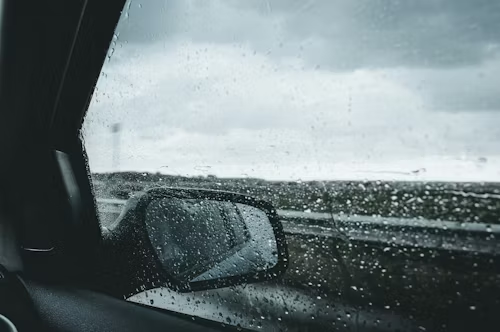
Rainy weather presents unique challenges for drivers, significantly affecting vehicle handling, visibility, and overall safety. Wet roads reduce traction, increase stopping distances, and can lead to dangerous situations like hydroplaning. As a driver, understanding how to adapt your driving technique to rainy conditions is essential for your safety and the safety of others on the road. Rain doesn't have to be a driving hazard if you know how to handle it properly.
Many drivers underestimate the dangers of rainy weather, assuming that as long as they can see, they can drive normally. However, rain creates hazardous conditions that require increased caution and modified driving techniques. From reduced visibility to slippery road surfaces, rain affects every aspect of driving. The good news is that with proper preparation and technique, you can navigate rainy conditions safely and confidently.
This comprehensive guide will equip you with the knowledge and skills needed to drive safely in rainy weather. We'll cover everything from preparing your vehicle for rain to specific techniques for wet road driving, handling emergencies, and avoiding common mistakes. Whether you're a new driver or an experienced one looking to refresh your skills, these tips will help you stay safe when the skies open up.
Step-by-Step Guidance: Preparing for Rainy Weather
Step 1: Check Your Tires
Your tires are your most important safety feature in rainy weather. Ensure they have adequate tread depth—at least 4/32 of an inch for safe wet-weather driving. Worn tires significantly increase the risk of hydroplaning and reduce traction. Check tire pressure regularly, as properly inflated tires provide better contact with the road. Consider investing in tires specifically designed for wet weather performance, which feature special tread patterns that channel water away from the contact patch. Good tires are your first line of defense against rainy road hazards.
Step 2: Inspect Your Wipers
Windshield wipers are crucial for maintaining visibility in rain. Inspect your wiper blades regularly and replace them if they streak, skip, or leave unwiped areas. Wiper blades typically need replacement every 6-12 months. Ensure your windshield washer fluid is full and use a formula designed for rainy conditions. Some drivers find that applying a rain-repellent treatment to the windshield improves visibility by causing water to bead up and roll off. Clear visibility is essential for safe driving in any weather, but especially in rain.
Step 3: Check Your Lights
Your headlights and taillights are vital for visibility in rainy conditions. Ensure all exterior lights are working properly, including headlights, taillights, brake lights, and turn signals. Clean your lights regularly, as dirt and grime can reduce their effectiveness. In many jurisdictions, it's required by law to use headlights when windshield wipers are in use. Turn on your headlights in rain, even during the day, to make your vehicle more visible to other drivers. Good lighting helps both you see and be seen.
Step 4: Check Your Brakes
Well-maintained brakes are essential for safe driving in any weather, but especially in rain where stopping distances increase. Have your brakes inspected regularly and replace brake pads and rotors when worn. Ensure your brake fluid is at the proper level and in good condition. If you notice any changes in braking performance—such as increased stopping distance, pulling to one side, or unusual noises—have your brakes checked immediately. Reliable brakes are crucial when traction is reduced.
Step 5: Prepare Your Vehicle Interior
Keep your vehicle's interior ready for rainy conditions. Ensure your defroster is working properly to prevent fogging of windows. Keep a microfiber cloth or towel handy to wipe condensation from windows. Consider using anti-fog treatments on your windows to reduce condensation buildup. Keep your floor mats in place to prevent water from pooling in the vehicle. A clear, comfortable interior helps you maintain focus on driving.
Step 6: Plan Your Route
Before driving in rain, plan your route carefully. Avoid roads known for flooding or poor drainage. Check weather forecasts and radar to understand the severity and duration of rain. Allow extra time for your journey, as you'll need to drive slower and more cautiously. If possible, delay your trip until the rain passes or lightens. Good route planning helps you avoid hazardous conditions and reduces stress.
Step 7: Adjust Your Driving Style Before Leaving
Mentally prepare yourself for driving in rain before you even start your journey. Remind yourself that you'll need to drive slower, maintain greater following distances, and be more alert. Leave early to avoid the temptation to rush. Put your phone away and eliminate other distractions before you start driving. A calm, prepared mindset is essential for safe driving in challenging conditions.
Step 8: Enter the Vehicle Carefully
When getting into your vehicle in rain, be careful not to track water inside. Use umbrellas or rain gear to stay dry. Wipe your feet before entering to prevent water on the pedals, which can cause slipping. Close your umbrella and store it properly to avoid water dripping inside. Starting your journey dry and comfortable helps you maintain focus on driving.
Step 9: Start Your Vehicle and Let It Warm Up
In cold rain, let your vehicle warm up briefly before driving. This helps ensure your defroster is working effectively and that your engine is running smoothly. Use this time to clear any condensation from windows. Ensure your windshield is completely clear before you start driving. A properly warmed vehicle performs better and provides better visibility.
Step 10: Begin Driving Slowly and Cautiously
When you first start driving in rain, take it slow. Give yourself time to adjust to the reduced traction and visibility. Avoid sudden acceleration, braking, or steering inputs. Test your brakes gently to understand how they're performing. Start in a lower gear if driving a manual transmission. Taking it easy at the beginning helps you get a feel for current road conditions.
Tips & Safety Notes: Essential Rainy Weather Driving Techniques
Reduce Your Speed
Speed is the single most important factor in safe rainy weather driving. Reduce your speed significantly below the posted limit. Wet roads reduce traction, meaning you need more time and distance to stop safely. A good rule of thumb is to reduce your speed by at least 5-10 mph in light rain and even more in heavy rain. Remember that speed limits are set for ideal conditions—you must adjust downward for rain. Slower speeds give you more time to react to hazards and reduce the severity of any incidents.
Increase Following Distance
Increase your following distance to at least double what you would use in dry conditions. The three-second rule becomes the six-second rule in rain. This gives you adequate time to react to sudden stops by vehicles ahead. Remember that stopping distances increase significantly on wet roads. Don't assume the vehicle in front of you can stop as quickly as you can—they may have worse tires or brakes. Greater following distance is your best defense against rear-end collisions in rain.
Use Your Headlights
Turn on your headlights whenever you're using your windshield wipers. This is required by law in many jurisdictions and is crucial for safety. Headlights make your vehicle more visible to other drivers, especially in heavy rain where visibility is reduced. Use low beams rather than high beams, as high beams can reflect off rain and reduce your visibility. If your vehicle has daytime running lights, they may not be sufficient—use your actual headlights.
Avoid Cruise Control
Never use cruise control in rainy weather. Cruise control maintains a constant speed, which can be dangerous if you encounter standing water or need to slow down quickly. If you hydroplane while using cruise control, the system may accelerate as it tries to maintain speed, worsening the situation. Keep full control of your vehicle by maintaining manual control of the accelerator. You need to be able to react instantly to changing conditions.
Drive in the Tracks of Vehicles Ahead
On roads with standing water, drive in the tire tracks of vehicles ahead of you. These tracks have less water than the surrounding road surface, providing better traction. Avoid driving through standing water whenever possible. If you must drive through water, do so slowly and steadily. Following in existing tracks helps you maintain traction and reduces the risk of hydroplaning.
Brake Early and Gently
Begin braking earlier than you would in dry conditions and apply brakes gently and progressively. Sudden, hard braking can cause wheels to lock up and lose traction. If your vehicle has ABS, brake firmly but don't pump the brakes. If you don't have ABS, threshold brake by applying brakes firmly just short of wheel lockup, then release slightly if you feel lockup. Gentle, early braking helps you maintain control and stop safely.
Steer Smoothly
Make all steering inputs smooth and gradual. Avoid sudden or jerky movements of the steering wheel, which can cause loss of traction. Turn the wheel gently and progressively. If you need to make a sharp turn, slow down before entering the turn, not during it. Smooth steering helps maintain traction and prevents skidding. Remember that wet roads require more deliberate, controlled movements.
Watch for Hydroplaning
Hydroplaning occurs when a layer of water builds up between your tires and the road, causing loss of traction. Signs of hydroplaning include a sudden feeling of lightness in the steering wheel and the vehicle drifting or sliding. If you hydroplane, ease off the accelerator gently—don't brake. Keep the steering wheel straight until you regain traction. Hydroplaning is scary but manageable if you react correctly. The best way to avoid it is to reduce speed and avoid standing water.
Be Extra Cautious at Intersections
Intersections are particularly dangerous in rain due to oil buildup and potential standing water. Approach intersections with extra caution. Brake early and gently. Be prepared for longer stopping distances. Watch for vehicles that may slide through intersections. Don't assume other drivers will stop—wait until you're certain they're stopping before proceeding. Intersections require extra vigilance in wet conditions.
Avoid Sudden Lane Changes
Make lane changes only when absolutely necessary in rainy weather. When you do change lanes, signal well in advance and make the change smoothly and gradually. Check your mirrors and blind spots carefully. Avoid making multiple lane changes at once. Sudden lane changes are a common cause of loss of traction in rain. Stay in your lane as much as possible.
Be Aware of Reduced Visibility
Rain significantly reduces visibility for both you and other drivers. Use your windshield wipers at the appropriate speed for the rain intensity. Use your defroster to prevent fogging. Keep your headlights on. Be extra vigilant for pedestrians and cyclists who may be harder to see. If visibility becomes extremely poor, consider pulling over safely until conditions improve. Never drive faster than you can see ahead.
Watch for Puddles and Standing Water
Puddles can hide hazards like potholes or deep water. Avoid puddles whenever possible. If you must drive through water, proceed slowly and steadily. After driving through deep water, test your brakes gently to ensure they're working properly—water can affect brake performance. Never drive through water if you can't see the bottom or if it's deeper than halfway up your tires.
Common Mistakes: What to Avoid in Rainy Weather
Driving Too Fast for Conditions
Many drivers fail to reduce their speed adequately in rain, leading to loss of control and accidents. Speeding in rain is particularly dangerous because it reduces traction and increases stopping distances dramatically. Remember that posted speed limits are for ideal conditions—you must slow down significantly in rain. Don't let other drivers pressure you into driving faster than conditions allow. Your safety is more important than arriving on time.
Following Too Closely
Tailgating is especially dangerous in rain where stopping distances are much longer. Many drivers maintain the same following distance in rain as they would in dry conditions, which is insufficient. Double or triple your following distance in rain. Remember that the vehicle in front of you may stop suddenly or lose control. Give yourself plenty of space to react safely.
Using Cruise Control
Using cruise control in rain is a dangerous mistake that can lead to loss of control. Cruise control maintains constant speed regardless of changing conditions, which can be disastrous if you encounter standing water or need to slow down quickly. Always maintain manual control of your vehicle in rain. The few seconds of convenience cruise control provides aren't worth the risk in wet conditions.
Sudden Braking
Sudden, hard braking in rain can cause wheels to lock up and lose traction, leading to skidding. Many drivers brake normally in rain, not realizing they need to brake earlier and more gently. Begin braking much earlier than you would in dry conditions and apply brakes progressively. If you feel wheels starting to lock, ease off the brake slightly. Gentle braking helps maintain control.
Driving Through Standing Water
Many drivers underestimate the danger of standing water, driving through it without caution. Standing water can cause hydroplaning, hide road hazards, and even damage your vehicle if it's deep enough. Avoid puddles and standing water whenever possible. If you must drive through water, do so slowly and steadily. Never drive through water if you can't see the bottom or if it's deeper than halfway up your tires.
Not Using Headlights
Many drivers fail to turn on their headlights in rain, reducing their visibility to other drivers. In many jurisdictions, it's required by law to use headlights when wipers are in use. Turn on your headlights in rain, even during the day. This helps other drivers see you and improves your own visibility. Don't rely on daytime running lights—use your actual headlights.
Ignoring Windshield Wiper Maintenance
Worn or ineffective windshield wipers are a common issue that reduces visibility in rain. Many drivers don't replace wiper blades until they fail completely, but they should be replaced at the first sign of streaking or skipping. Check your wipers regularly and replace them every 6-12 months. Good wipers are essential for maintaining visibility in rain.
Making Sudden Steering Movements
Sudden or jerky steering inputs can cause loss of traction in rain. Many drivers make sharp turns or sudden lane changes without considering the reduced traction. Make all steering movements smooth and gradual. Slow down before entering turns rather than braking during them. Smooth steering helps maintain traction and control.
Driving with Worn Tires
Worn tires significantly increase the risk of hydroplaning and reduce traction in rain. Many drivers don't check their tire tread depth regularly or continue driving on bald tires. Ensure your tires have adequate tread depth—at least 4/32 of an inch for safe wet-weather driving. Replace tires when they become worn. Good tires are your most important safety feature in rain.
Not Adjusting for Road Conditions
Many drivers fail to adjust their driving technique for specific rainy conditions, such as light mist versus heavy downpour. Different rain intensities require different approaches. In light rain, you may only need to reduce speed slightly. In heavy rain, you need to drive much slower and be extra cautious. Always assess the current conditions and adjust your driving accordingly.
Real-World Examples
For instance, maintaining a 3-second following distance in normal conditions gives you enough time to react to sudden stops.
When driving in rain, reduce your speed by at least 5-10 mph below the posted limit to maintain traction.
A study by the AAA Foundation found that distracted driving increases crash risk by 8 times.
Data and Statistics
According to NHTSA, approximately 94% of serious crashes are related to human error.
Source: NHTSA
According to IIHS, approximately 50% of fatal crashes are related to failure to wear seatbelts.
Source: IIHS
Practical Checklist
- Check tire pressure before driving
- Adjust mirrors for optimal visibility
- Ensure all passengers are wearing seatbelts
- Check weather conditions before departure
- Plan your route and check for traffic
Frequently Asked Questions
Q: What should I do if my car starts hydroplaning?
A: If your car starts hydroplaning, ease off the accelerator gently and steer straight. Do not slam on the brakes, as this can cause you to lose control completely. Once you regain traction, you can slowly accelerate again.
Q: How can I improve my night driving safety?
A: To improve night driving safety, keep your windshield clean, use high beams appropriately (when no oncoming traffic is present), reduce speed, and increase following distance. Also, ensure your headlights are properly aimed and clean.
Visual Learning Resources
While this article provides comprehensive text explanations, visual aids can enhance understanding. Consider the following resources for additional learning:
- Diagrams: Look for technical diagrams showing component relationships and system interactions
- Infographics: Visual representations of data and statistics help grasp complex information quickly
- Video Tutorials: Step-by-step video demonstrations provide practical guidance
- Interactive Simulations: Online tools allow you to experiment with concepts safely
These resources complement the written content and cater to different learning styles. Visual learners particularly benefit from diagrams and infographics, while hands-on learners may prefer video tutorials and simulations.
Expert Tips and Best Practices
💡 Pro Tip #1: Prevention is Better Than Cure
Regular maintenance and proactive checks prevent most major issues. Establish a routine inspection schedule and stick to it. Small problems caught early are much easier and less expensive to fix than major failures.
💡 Pro Tip #2: Quality Matters
When replacing parts or fluids, always use quality products that meet or exceed manufacturer specifications. Inferior products may save money initially but often lead to premature failure and additional costs down the road.
💡 Pro Tip #3: Documentation is Your Friend
Keep detailed records of all maintenance, repairs, and modifications. This documentation helps track service intervals, identify recurring issues, and increases resale value. Digital photos of work performed can be particularly valuable.
Conclusion
Driving in rainy weather requires increased caution, preparation, and modified techniques. By understanding the challenges that rain presents and adapting your driving accordingly, you can stay safe and maintain control in wet conditions. The key is to slow down, increase your following distance, use your headlights, and make all inputs smooth and gradual.
Remember that rain affects every aspect of driving—from traction and stopping distances to visibility and vehicle control. Don't underestimate the dangers of wet roads. Take the time to prepare your vehicle, plan your route, and adjust your mindset before you start driving. A calm, prepared approach is essential for safe rainy weather driving.
If conditions become too hazardous, don't hesitate to pull over safely and wait for the rain to pass. There's no shame in delaying your trip for safety. Your destination will still be there when the rain stops. Arriving safely is always more important than arriving on time.
By following these tips and practicing safe driving techniques, you'll develop the skills and confidence needed to handle rainy weather safely. Remember that experience is the best teacher—each time you drive in rain, you'll become more comfortable and capable. Stay safe, stay alert, and enjoy the journey, rain or shine.