Introduction
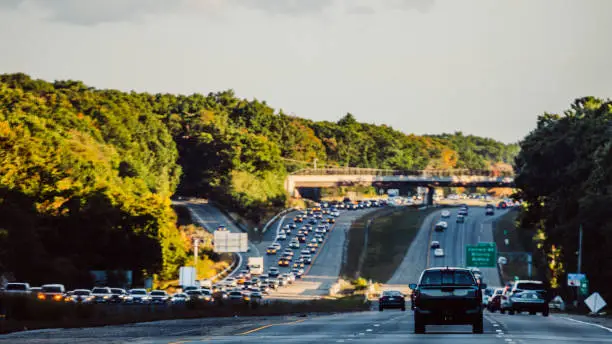
Highway driving is an essential skill for any driver, offering efficient long-distance travel and access to destinations across the country. However, highways present unique challenges that require specific techniques and heightened awareness. With higher speeds, more vehicles, and complex interchanges, highway driving demands greater concentration and skill than city driving. Mastering highway safety techniques is crucial for protecting yourself and others on the road.
Many drivers feel intimidated by highway driving, especially when first starting out. The higher speeds and faster- moving traffic can be overwhelming. However, with proper preparation, understanding of highway dynamics, and practice, highway driving can become safe and even enjoyable. The key is to develop good habits, maintain awareness, and follow established safety practices consistently.
This comprehensive guide covers everything you need to know about safe highway driving. We'll explore techniques for entering and exiting highways, lane discipline, handling emergencies, and avoiding common mistakes. Whether you're a new driver preparing for your first highway journey or an experienced driver looking to refresh your skills, these tips will help you navigate highways safely and confidently.
Step-by-Step Guidance: Highway Driving Techniques
Step 1: Plan Your Route Before Departing
Before you even start your vehicle, plan your highway route carefully. Study a map or use a GPS to understand your route, noting exits, interchanges, and any potential trouble spots. Check traffic conditions and consider alternative routes if congestion is expected. Know which exits you need to take and how far apart they are. Good route planning reduces stress and allows you to focus on driving rather than navigation.
Step 2: Prepare Your Vehicle for Highway Travel
Ensure your vehicle is in top condition before highway driving. Check tire pressure and condition, as highway speeds place greater demands on tires. Verify that all lights are working properly. Ensure your windshield is clean and wipers are in good condition. Check your fuel level and fill up if needed—running out of gas on a highway is dangerous and inconvenient. A well-prepared vehicle is essential for safe highway travel.
Step 3: Adjust Your Mirrors and Seat
Before entering the highway, adjust your mirrors to minimize blind spots. Your side mirrors should show just a sliver of your vehicle. Adjust your rearview mirror for maximum rear visibility. Ensure your seat is positioned so you can reach all controls comfortably and have a clear view of the road. Proper adjustments help you maintain situational awareness on the highway.
Step 4: Accelerate to Match Highway Speed
When approaching the on-ramp, begin accelerating to match the speed of highway traffic. Use the entire length of the on-ramp to build up speed. Look for a gap in traffic and signal your intention to merge. The goal is to enter the highway at or near the speed of traffic, creating a smooth merge that doesn't force other drivers to brake or change lanes.
Step 5: Merge Smoothly into Traffic
Use your turn signal well before reaching the end of the on-ramp. Check your mirrors and look over your shoulder to check your blind spot. When you find a suitable gap, merge smoothly into the right lane. Don't stop at the end of the on-ramp unless absolutely necessary—stopping on an on-ramp is dangerous. Merge decisively but safely, adjusting your speed to match the flow of traffic.
Step 6: Choose the Appropriate Lane
Once on the highway, choose the appropriate lane for your speed and intended route. The right lane is for slower traffic and exiting. The left lane is for passing. Middle lanes are for through traffic at normal speeds. Stay in the right lane unless you're passing. Avoid camping in the left lane—this frustrates other drivers and can lead to road rage. Proper lane discipline is essential for highway safety.
Step 7: Maintain a Safe Following Distance
On the highway, maintain a following distance of at least three seconds behind the vehicle in front of you. To measure this, pick a fixed object ahead and count the seconds it takes for the vehicle in front to reach it. Increase this distance in poor weather or heavy traffic. Highway speeds require greater stopping distances than city driving. A safe following distance gives you time to react to sudden stops or emergencies.
Step 8: Use Your Turn Signals Consistently
Always use your turn signals before changing lanes or exiting on the highway. Signal well in advance—at least 100 feet before your maneuver, but earlier at highway speeds. Check your mirrors and blind spots before changing lanes. Cancel your signal after completing the maneuver. Consistent signaling helps other drivers anticipate your actions and makes the highway safer for everyone.
Step 9: Scan the Road Ahead Constantly
Keep your eyes moving and scan the road ahead constantly. Look as far ahead as possible—15-20 seconds ahead at highway speeds. This gives you time to react to developing situations. Be aware of vehicles around you, not just the one directly in front. Watch for brake lights ahead, which indicate slowing traffic. Constant scanning is essential for highway safety.
Step 10: Prepare for Your Exit Well in Advance
Know which exit you need and prepare for it well in advance. Move to the right lane at least one mile before your exit. Look for exit signs and follow the appropriate lane markers. Reduce your speed gradually as you approach the exit ramp. Never make last-minute lane changes or cut across multiple lanes to reach your exit—this is extremely dangerous.
Tips & Safety Notes: Essential Highway Safety Practices
Obey Speed Limits
Speed limits on highways are set for safety, considering road design, traffic patterns, and typical conditions. Always obey posted speed limits. Remember that speed limits are maximum speeds under ideal conditions—you may need to drive slower in poor weather or heavy traffic. Speeding reduces your reaction time and increases the severity of accidents. Arriving safely is always more important than arriving quickly.
Avoid Distractions
Highway driving requires your full attention. Avoid distractions like texting, eating, or adjusting the radio while driving. If you need to use your phone, pull over at a safe location. Program your GPS before you start driving. Keep your focus on the road at all times. At highway speeds, taking your eyes off the road for just a few seconds means traveling the length of a football field blind.
Be Aware of Blind Spots
Every vehicle has blind spots, and highway driving makes checking them crucial. Always check your mirrors and look over your shoulder before changing lanes. Remember that other vehicles also have blind spots—avoid lingering in other drivers' blind spots. Be particularly careful around large trucks, which have extensive blind spots. Proper blind spot awareness prevents many highway accidents.
Use Headlights Appropriately
Use your headlights during low-light conditions, rain, or any time visibility is reduced. Even during the day, headlights make your vehicle more visible to other drivers. Use low beams rather than high beams when following other vehicles or approaching oncoming traffic. Proper lighting helps both you see and be seen on the highway.
Stay Alert and Rested
Highway driving can be monotonous, leading to drowsiness. Stay alert by taking regular breaks every two hours or 100 miles. If you feel tired, pull over at a rest area and take a short nap or walk around. Avoid driving during your normal sleep hours. Recognize the signs of fatigue and take action before it becomes dangerous. Alert driving is essential for highway safety.
Handle Emergencies Calmly
If you experience a vehicle emergency on the highway, remain calm. Signal and move to the right shoulder if possible. Turn on your hazard lights. Stay inside your vehicle if it's safer than getting out. Call for help using your phone or emergency call boxes if available. Never get out of your vehicle on the traffic side. Stay behind guardrails if you must exit your vehicle.
Be Cautious Around Large Vehicles
Large trucks and buses require extra caution on the highway. Remember that they have large blind spots and need more space to stop. Avoid cutting off large vehicles—they can't stop as quickly as cars. Pass large vehicles quickly and safely on the left side. Don't linger alongside them. Give large vehicles plenty of space and respect their limitations.
Watch for Road Work and Construction
Highway construction zones are common and require extra caution. Watch for warning signs well in advance. Reduce your speed in work zones—fines are often doubled in these areas. Be prepared for lane shifts, narrow lanes, and workers near the roadway. Follow the directions of flaggers if present. Construction zones are particularly dangerous on highways.
Maintain Lane Discipline
Proper lane discipline is essential for highway safety. Stay in the right lane unless you're passing. Use the left lane only for passing, then return to the right lane. Don't weave between lanes unnecessarily. Avoid camping in the left lane—this frustrates other drivers and creates dangerous situations. Good lane discipline keeps traffic flowing smoothly and safely.
Adapt to Weather Conditions
Highway driving in poor weather requires significant adjustments. In rain, slow down and increase your following distance. In snow or ice, reduce speed dramatically and avoid sudden movements. In fog, use your low-beam headlights and reduce speed significantly. In high winds, be prepared for gusts that can push your vehicle. Always adjust your driving to match current conditions.
Common Mistakes: What to Avoid on the Highway
Speeding
Speeding is one of the most common and dangerous highway mistakes. Higher speeds reduce reaction time and increase accident severity. Many drivers speed because they're running late or think they can get away with it. However, the few minutes you might save aren't worth the risk. Always obey speed limits and adjust your speed downward for poor conditions.
Following Too Closely
Tailgating is particularly dangerous on highways where stopping distances are much longer. Many drivers follow too closely because they're in a hurry or want to pressure other drivers to go faster. Maintain at least a three- second following distance, increasing it in poor conditions. Remember that the vehicle in front can stop instantly—you need space to react safely.
Failing to Signal
Not using turn signals is a common mistake that causes confusion and accidents. Many drivers change lanes or exit without signaling, assuming other drivers know what they're doing. Always signal your intentions well in advance. Consistent signaling helps other drivers anticipate your actions and makes the highway safer for everyone.
Camping in the Left Lane
Many drivers stay in the left lane even when not passing, which is both illegal in many jurisdictions and dangerous. The left lane is for passing only. If you're not actively passing, move to the right lane. Camping in the left lane frustrates other drivers, causes aggressive driving, and creates dangerous situations as faster drivers try to pass on the right.
Making Last-Minute Exits
Waiting until the last moment to exit is a common and dangerous mistake. Many drivers realize they need to exit and cut across multiple lanes to reach their exit. This forces other drivers to brake or swerve, creating hazardous situations. Know your exit in advance and move to the right lane at least one mile before your exit.
Distracted Driving
Distracted driving is especially dangerous at highway speeds. Many drivers text, eat, or adjust devices while driving, taking their eyes off the road. At highway speeds, even momentary distraction can be deadly. Keep your full attention on driving. If you need to do something else, pull over safely first.
Not Checking Blind Spots
Failing to check blind spots before changing lanes is a common cause of highway accidents. Many drivers rely only on mirrors, which don't show everything. Always check your mirrors and look over your shoulder before changing lanes. Remember that other vehicles also have blind spots—avoid lingering in them.
Driving While Fatigued
Highway driving can be monotonous, leading to drowsiness. Many drivers push themselves to continue driving when they're exhausted. Fatigue slows reaction time and can cause you to fall asleep at the wheel. Take regular breaks, get enough sleep before driving, and recognize the signs of fatigue. Drowsy driving is as dangerous as drunk driving.
Weaving Through Traffic
Weaving between lanes to get ahead is dangerous and rarely saves significant time. Many drivers change lanes frequently without adequate signaling or checking. Stay in your lane unless you need to pass. Make lane changes smoothly and deliberately. Weaving creates unpredictable situations and increases the risk of accidents.
Ignoring Weather Conditions
Many drivers fail to adjust their driving for poor weather on highways. Rain, snow, fog, and wind all require significant adjustments to speed and following distance. Don't assume you can drive the same way in all weather. Always assess conditions and adjust your driving accordingly. If conditions are too hazardous, delay your trip.
Real-World Examples
For instance, maintaining a 3-second following distance in normal conditions gives you enough time to react to sudden stops.
When driving in rain, reduce your speed by at least 5-10 mph below the posted limit to maintain traction.
A study by the AAA Foundation found that distracted driving increases crash risk by 8 times.
Data and Statistics
According to NHTSA, approximately 94% of serious crashes are related to human error.
Source: NHTSA
According to IIHS, approximately 50% of fatal crashes are related to failure to wear seatbelts.
Source: IIHS
Practical Checklist
- Check tire pressure before driving
- Adjust mirrors for optimal visibility
- Ensure all passengers are wearing seatbelts
- Check weather conditions before departure
- Plan your route and check for traffic
Frequently Asked Questions
Q: What should I do if my car starts hydroplaning?
A: If your car starts hydroplaning, ease off the accelerator gently and steer straight. Do not slam on the brakes, as this can cause you to lose control completely. Once you regain traction, you can slowly accelerate again.
Q: How can I improve my night driving safety?
A: To improve night driving safety, keep your windshield clean, use high beams appropriately (when no oncoming traffic is present), reduce speed, and increase following distance. Also, ensure your headlights are properly aimed and clean.
Visual Learning Resources
While this article provides comprehensive text explanations, visual aids can enhance understanding. Consider the following resources for additional learning:
- Diagrams: Look for technical diagrams showing component relationships and system interactions
- Infographics: Visual representations of data and statistics help grasp complex information quickly
- Video Tutorials: Step-by-step video demonstrations provide practical guidance
- Interactive Simulations: Online tools allow you to experiment with concepts safely
These resources complement the written content and cater to different learning styles. Visual learners particularly benefit from diagrams and infographics, while hands-on learners may prefer video tutorials and simulations.
Expert Tips and Best Practices
💡 Pro Tip #1: Prevention is Better Than Cure
Regular maintenance and proactive checks prevent most major issues. Establish a routine inspection schedule and stick to it. Small problems caught early are much easier and less expensive to fix than major failures.
💡 Pro Tip #2: Quality Matters
When replacing parts or fluids, always use quality products that meet or exceed manufacturer specifications. Inferior products may save money initially but often lead to premature failure and additional costs down the road.
💡 Pro Tip #3: Documentation is Your Friend
Keep detailed records of all maintenance, repairs, and modifications. This documentation helps track service intervals, identify recurring issues, and increases resale value. Digital photos of work performed can be particularly valuable.
Conclusion
Highway driving is a skill that requires practice, awareness, and adherence to safety practices. By following the techniques outlined in this guide, you can navigate highways safely and confidently. Remember that highway driving is about more than just reaching your destination—it's about arriving safely while protecting yourself and others on the road.
The key to safe highway driving is preparation, awareness, and discipline. Plan your route, prepare your vehicle, and adjust your mindset before you start driving. Maintain constant awareness of your surroundings, follow traffic laws, and treat other drivers with respect. Good highway driving habits will serve you well throughout your life as a driver.
Don't be intimidated by highway driving—with practice and proper technique, it becomes second nature. Each highway journey is an opportunity to improve your skills and become a more confident driver. Stay alert, stay safe, and enjoy the efficiency and freedom that highway travel provides.
Remember that the ultimate goal of highway driving is to arrive safely at your destination. Take your time, follow safety practices, and never let other drivers pressure you into driving unsafely. Your safety and the safety of others on the road are always more important than arriving a few minutes earlier.