Introduction
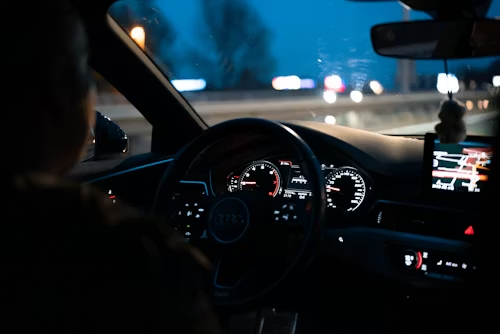
Night driving presents unique challenges that require different techniques and heightened awareness compared to daytime driving. Reduced visibility, fatigue, and the presence of impaired drivers all contribute to making nighttime driving more hazardous. However, with proper preparation and technique, you can navigate nighttime roads safely and confidently. Understanding the challenges of night driving and adapting your approach accordingly is essential for every driver.
Many drivers underestimate the dangers of night driving, assuming that as long as their headlights are on, they can see well enough to drive normally. However, night driving affects depth perception, color recognition, and peripheral vision. Your headlights illuminate only a fraction of the road that daylight would reveal. These limitations require significant adjustments to your driving style and habits.
This comprehensive guide covers everything you need to know about safe night driving. We'll explore techniques for maximizing visibility, managing fatigue, handling glare, and avoiding common mistakes. Whether you're a new driver nervous about driving at night or an experienced driver looking to refresh your skills, these tips will help you stay safe after the sun goes down.
Step-by-Step Guidance: Preparing for Night Driving
Step 1: Clean Your Windshield and Windows
Before driving at night, ensure your windshield and all windows are clean inside and out. Dirt, grime, and streaks can scatter light from oncoming headlights, creating glare and reducing visibility. Clean your windshield with a quality glass cleaner and microfiber cloth. Don't forget to clean the inside of the windshield, as interior buildup can also cause glare. Clean windows are essential for optimal nighttime visibility.
Step 2: Check and Clean Your Headlights
Your headlights are your most important tool for night driving. Check that all headlights are working properly and aimed correctly. Misaligned headlights can reduce your visibility and blind other drivers. Clean your headlight lenses regularly, as dirt and oxidation can reduce their effectiveness. Consider upgrading to brighter or whiter bulbs if your current ones are inadequate. Properly maintained and aimed headlights are crucial for safe night driving.
Step 4: Adjust Your Mirrors
At night, reduce the glare from headlights behind you by adjusting your rearview mirror to the night setting. This dims the reflection, making it easier to see without being blinded. Many mirrors have a small lever or switch for this purpose. Adjust your side mirrors to minimize glare from vehicles behind you. Proper mirror adjustments help you maintain visibility without being blinded by other drivers' lights.
Step 5: Ensure All Exterior Lights Are Working
Check all your exterior lights before driving at night. This includes headlights, taillights, brake lights, turn signals, and license plate lights. Replace any burnt-out bulbs immediately. Working lights are essential for both seeing and being seen. Other drivers rely on your lights to understand your intentions and position on the road. Don't drive at night with non-functioning lights.
Step 6: Plan Your Route
Before driving at night, plan your route carefully. Choose well-lit roads whenever possible. Avoid areas known for poor lighting or high crime rates. Check for road construction or closures that might affect your route. Knowing your route in advance reduces stress and allows you to focus on driving rather than navigation.
Step 7: Get Adequate Rest
Fatigue is a major factor in night driving accidents. Ensure you're well-rested before driving at night. Avoid driving during your normal sleep hours if possible. If you must drive when tired, take regular breaks and consider having a passenger help keep you alert. Recognize the signs of fatigue and take action before it becomes dangerous. Alert driving is essential for night safety.
Step 8: Prepare Your Vehicle Interior
Ensure your vehicle's interior is ready for night driving. Adjust your dashboard lights to the lowest comfortable setting to reduce eye strain. Turn off interior lights while driving. Keep sunglasses handy for dealing with glare from oncoming headlights. A properly prepared interior helps you maintain focus and visibility.
Step 9: Check Your Tire Condition
Good tires are especially important at night when visibility is reduced. Ensure your tires have adequate tread depth and proper inflation. Worn tires increase stopping distance and reduce traction, which is more dangerous when you can't see hazards as far ahead. Properly maintained tires help you maintain control and stop safely in nighttime conditions.
Step 10: Start Your Journey Well-Rested and Prepared
Begin your night drive when you're alert and prepared. Have a clear understanding of your route and destination. Ensure your phone is charged and you have emergency contacts available. Keep emergency supplies in your vehicle, including a flashlight, first aid kit, and water. Being prepared helps you handle unexpected situations safely.
Tips & Safety Notes: Essential Night Driving Techniques
Use Your Headlights Properly
Turn on your headlights at dusk and keep them on until dawn. Use low beams when following other vehicles or approaching oncoming traffic. Switch to high beams on dark roads when there's no oncoming traffic, but switch back to low beams promptly when you see other vehicles. Proper headlight use maximizes your visibility while preventing glare for other drivers.
Reduce Your Speed
Reduce your speed at night compared to daytime driving. Your headlights only illuminate a limited distance ahead, giving you less time to react to hazards. Drive at a speed that allows you to stop within the distance illuminated by your headlights. Remember that speed limits are set for ideal daytime conditions—you may need to drive slower at night.
Increase Following Distance
Increase your following distance at night to give yourself more time to react to hazards. The three-second rule becomes the four or five-second rule in nighttime conditions. Remember that you can't see as far ahead at night, so you need more space to stop safely. Greater following distance is especially important on unlit roads.
Watch for Pedestrians and Animals
Pedestrians and animals are particularly hard to see at night. Be extra vigilant in areas where they're likely to be present: residential areas, near parks, and rural roads. Watch for reflective eyes of animals near the roadside. Reduce speed in areas known for deer or other wildlife. Remember that pedestrians may be wearing dark clothing and be difficult to see.
Avoid Looking Directly at Oncoming Headlights
When approaching vehicles with bright headlights, avoid looking directly at their lights. Instead, look toward the right edge of your lane. This helps prevent temporary blindness from glare. If you're temporarily blinded, reduce your speed slightly until your vision recovers. Managing glare is essential for maintaining visibility at night.
Use Your Turn Signals Early
Signal your intentions well in advance at night, giving other drivers more time to react. Use turn signals before changing lanes, turning, or merging. Remember that other drivers have reduced visibility at night and need extra warning of your intentions. Early signaling helps prevent accidents by making your actions predictable.
Stay Alert and Watch for Fatigue
Night driving can be monotonous and tiring. Stay alert by taking regular breaks every two hours. If you feel tired, pull over at a safe location and take a short break. Avoid driving during your normal sleep hours. Recognize the signs of fatigue: heavy eyelids, drifting between lanes, or missing exits. Fatigue is a major cause of night driving accidents.
Be Cautious at Intersections
Intersections are particularly dangerous at night when visibility is reduced. Approach intersections with extra caution. Look left, right, and left again before proceeding. Watch for vehicles that may run red lights or stop signs. Don't assume other drivers can see you—make eye contact when possible. Extra caution at intersections can prevent serious accidents.
Keep Your Windshield Clean
A dirty windshield can scatter light from oncoming headlights, creating dangerous glare. Keep your windshield clean both inside and out. Use your defroster to prevent fogging. If your windshield becomes dirty during your journey, pull over safely and clean it. A clean windshield is essential for optimal nighttime visibility.
Watch for Road Signs and Markings
Road signs and lane markings can be harder to see at night. Pay extra attention to reflective signs and road markings. Use your headlights to illuminate signs ahead. If you're unsure of your route or speed limit, slow down until you can confirm the information. Staying aware of road information helps you drive safely at night.
Common Mistakes: What to Avoid at Night
Driving Too Fast for Conditions
Many drivers fail to reduce their speed adequately at night, leading to accidents. Your headlights only illuminate a limited distance, so you need to drive slower to react to hazards. Remember that you can't see as far ahead at night as you can during the day. Adjust your speed to match your visibility and reaction capabilities.
Using High Beams Inappropriately
Using high beams when following other vehicles or approaching oncoming traffic is dangerous and inconsiderate. High beams can blind other drivers temporarily. Switch to low beams when you see other vehicles. Only use high beams on dark, unlit roads when there's no oncoming traffic. Proper headlight use is essential for everyone's safety.
Failing to Signal
Not using turn signals is particularly dangerous at night when visibility is reduced. Many drivers change lanes or turn without signaling, assuming other drivers can see them. Always signal your intentions well in advance at night. Other drivers need extra warning of your actions when visibility is poor.
Driving While Fatigued
Fatigue is a major factor in night driving accidents. Many drivers push themselves to continue driving when they're exhausted. Fatigue slows reaction time and impairs judgment. Take regular breaks, get enough sleep before driving, and recognize the signs of fatigue. Drowsy driving is as dangerous as drunk driving.
Following Too Closely
Tailgating is especially dangerous at night when you can't see as far ahead. Many drivers maintain the same following distance at night as during the day, which is insufficient. Increase your following distance to give yourself more time to react to hazards. Greater following distance is essential for safe night driving.
Ignoring Dirty Windows and Lights
Dirty windows and lights significantly reduce nighttime visibility. Many drivers don't clean their windshield or headlights regularly, not realizing the impact on night driving. Keep your windshield clean inside and out. Clean your headlight lenses regularly. Replace burnt-out bulbs immediately. Clean windows and lights are essential for seeing and being seen.
Overdriving Your Headlights
Overdriving your headlights means driving faster than you can stop within the distance illuminated by your headlights. This is a common and dangerous mistake at night. Reduce your speed so you can stop within your headlight range. Remember that speed limits are for daytime conditions—you may need to drive much slower at night.
Not Adjusting for Weather
Poor weather combined with night driving creates especially hazardous conditions. Rain, fog, or snow further reduce visibility at night. Many drivers fail to adjust adequately for these conditions. Reduce your speed significantly in poor weather at night. Increase following distance and use your lights appropriately. Weather requires extra caution at night.
Distracted Driving
Distracted driving is dangerous at any time, but especially at night when visibility is already reduced. Many drivers use phones, eat, or adjust devices while driving at night. Keep your full attention on the road at all times. If you need to do something else, pull over safely first. Distraction can be deadly at night.
Failing to Watch for Pedestrians
Pedestrians are particularly hard to see at night, especially those wearing dark clothing. Many drivers don't watch for pedestrians adequately at night. Be extra vigilant in residential areas and near crosswalks. Watch for movement near the roadside. Remember that pedestrians may not be visible until they're directly in your path.
Real-World Examples
For instance, maintaining a 3-second following distance in normal conditions gives you enough time to react to sudden stops.
When driving in rain, reduce your speed by at least 5-10 mph below the posted limit to maintain traction.
A study by the AAA Foundation found that distracted driving increases crash risk by 8 times.
Data and Statistics
According to NHTSA, approximately 94% of serious crashes are related to human error.
Source: NHTSA
According to IIHS, approximately 50% of fatal crashes are related to failure to wear seatbelts.
Source: IIHS
Practical Checklist
- Check tire pressure before driving
- Adjust mirrors for optimal visibility
- Ensure all passengers are wearing seatbelts
- Check weather conditions before departure
- Plan your route and check for traffic
Frequently Asked Questions
Q: What should I do if my car starts hydroplaning?
A: If your car starts hydroplaning, ease off the accelerator gently and steer straight. Do not slam on the brakes, as this can cause you to lose control completely. Once you regain traction, you can slowly accelerate again.
Q: How can I improve my night driving safety?
A: To improve night driving safety, keep your windshield clean, use high beams appropriately (when no oncoming traffic is present), reduce speed, and increase following distance. Also, ensure your headlights are properly aimed and clean.
Visual Learning Resources
While this article provides comprehensive text explanations, visual aids can enhance understanding. Consider the following resources for additional learning:
- Diagrams: Look for technical diagrams showing component relationships and system interactions
- Infographics: Visual representations of data and statistics help grasp complex information quickly
- Video Tutorials: Step-by-step video demonstrations provide practical guidance
- Interactive Simulations: Online tools allow you to experiment with concepts safely
These resources complement the written content and cater to different learning styles. Visual learners particularly benefit from diagrams and infographics, while hands-on learners may prefer video tutorials and simulations.
Expert Tips and Best Practices
💡 Pro Tip #1: Prevention is Better Than Cure
Regular maintenance and proactive checks prevent most major issues. Establish a routine inspection schedule and stick to it. Small problems caught early are much easier and less expensive to fix than major failures.
💡 Pro Tip #2: Quality Matters
When replacing parts or fluids, always use quality products that meet or exceed manufacturer specifications. Inferior products may save money initially but often lead to premature failure and additional costs down the road.
💡 Pro Tip #3: Documentation is Your Friend
Keep detailed records of all maintenance, repairs, and modifications. This documentation helps track service intervals, identify recurring issues, and increases resale value. Digital photos of work performed can be particularly valuable.
Conclusion
Night driving requires different techniques and heightened awareness compared to daytime driving. By understanding the challenges of reduced visibility and adapting your driving accordingly, you can navigate nighttime roads safely. The key is to reduce your speed, increase following distance, use your lights properly, and stay alert.
Remember that your headlights only illuminate a limited distance ahead, giving you less time to react to hazards. Drive at a speed that allows you to stop within the distance illuminated by your lights. Be extra vigilant for pedestrians, animals, and other hazards that are harder to see at night.
If you feel tired or if conditions become too hazardous, don't hesitate to pull over safely or delay your journey. Arriving safely is always more important than arriving on time. Night driving doesn't have to be dangerous if you approach it with the right preparation and mindset.
By following these tips and practicing safe night driving techniques, you'll develop the skills and confidence needed to drive safely after dark. Remember that experience is the best teacher—each night drive is an opportunity to improve your skills. Stay alert, stay safe, and enjoy the unique experience of nighttime driving.